





Description
Product Overview
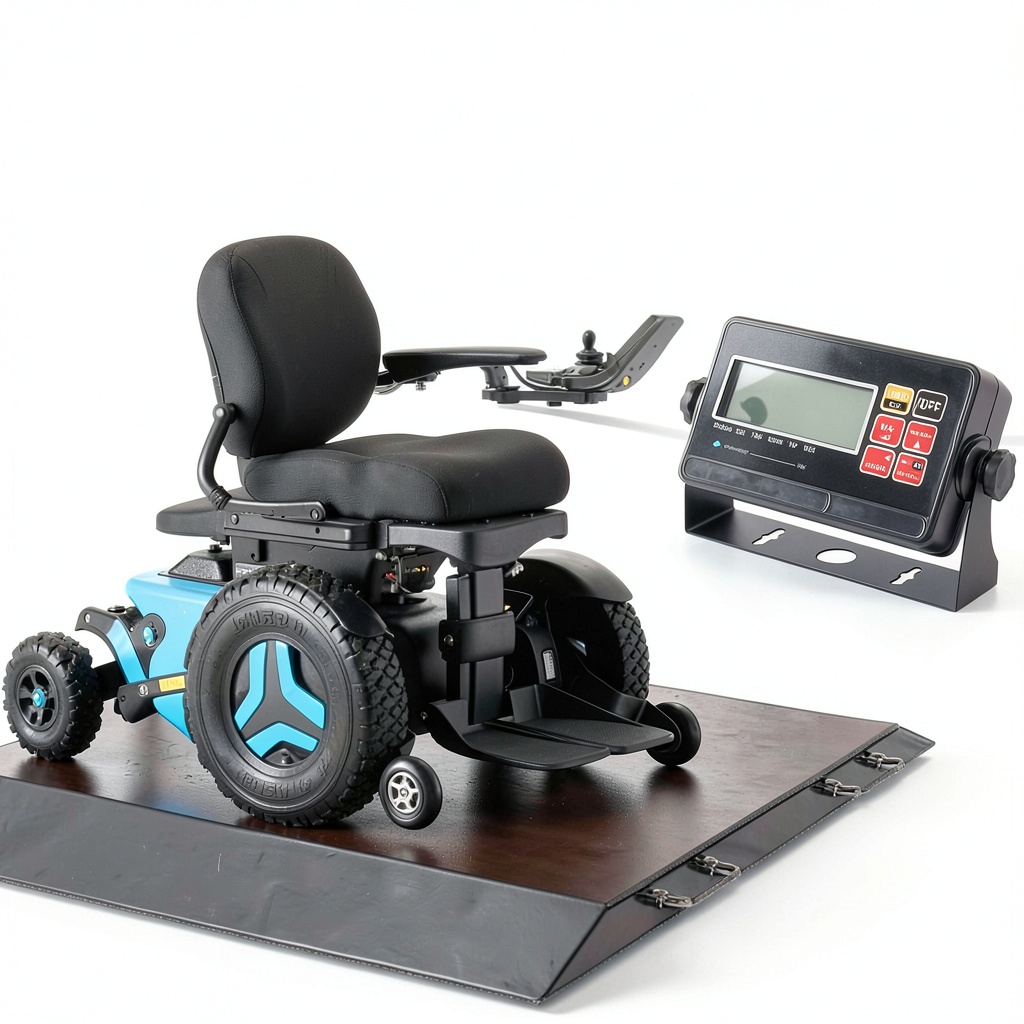
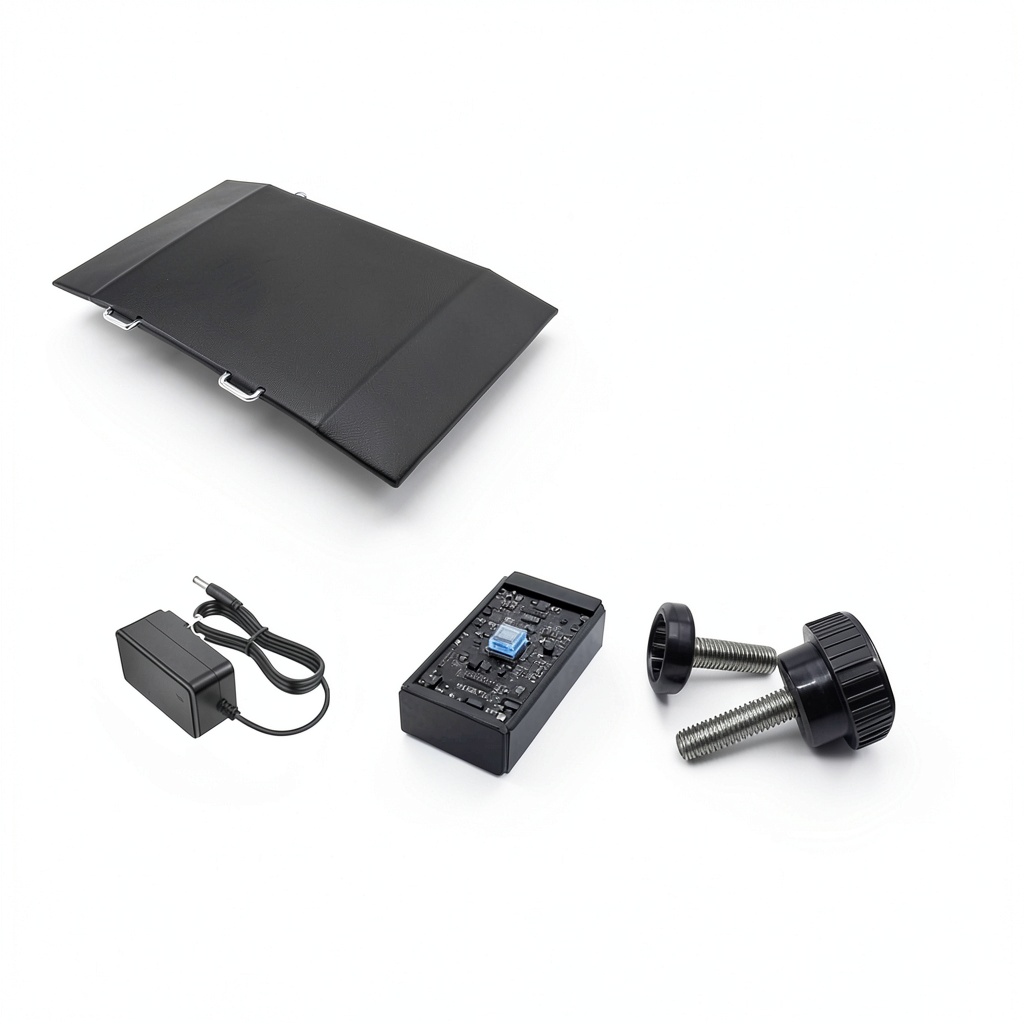
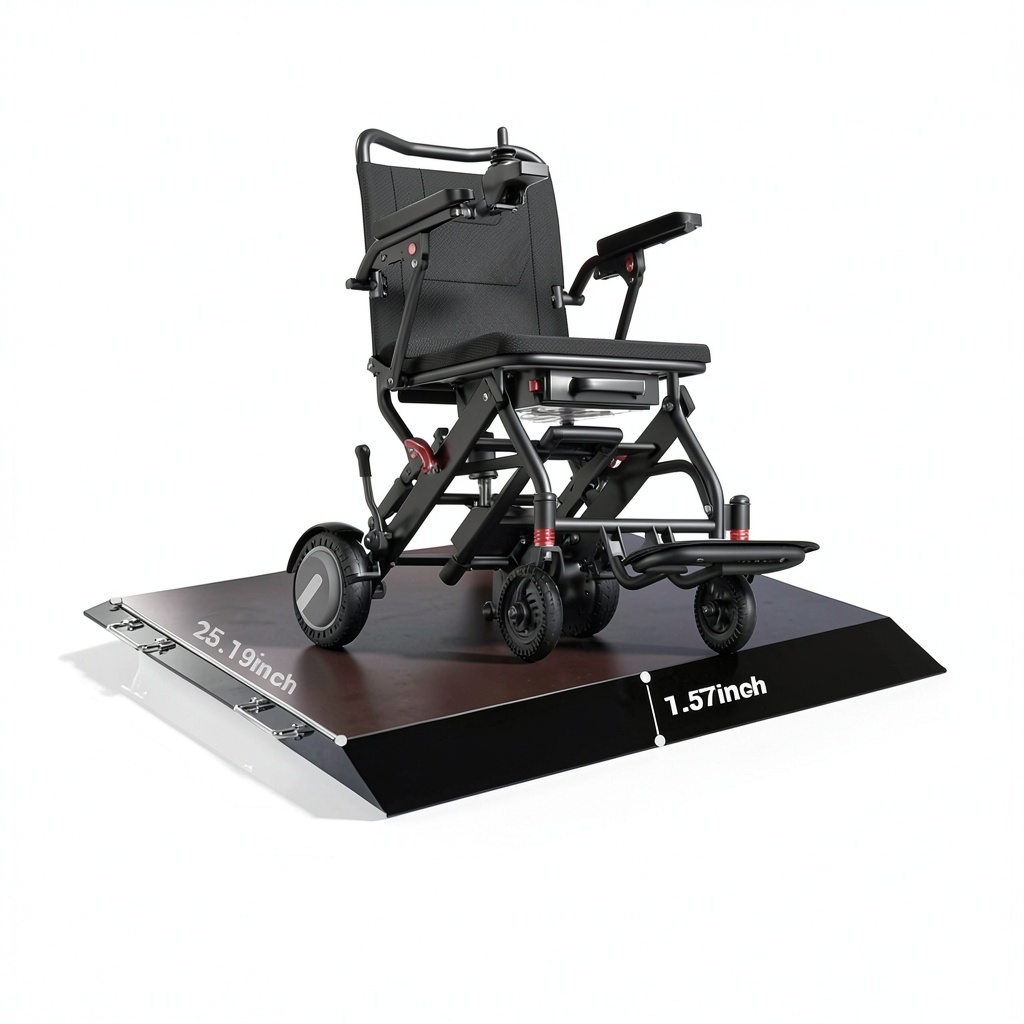
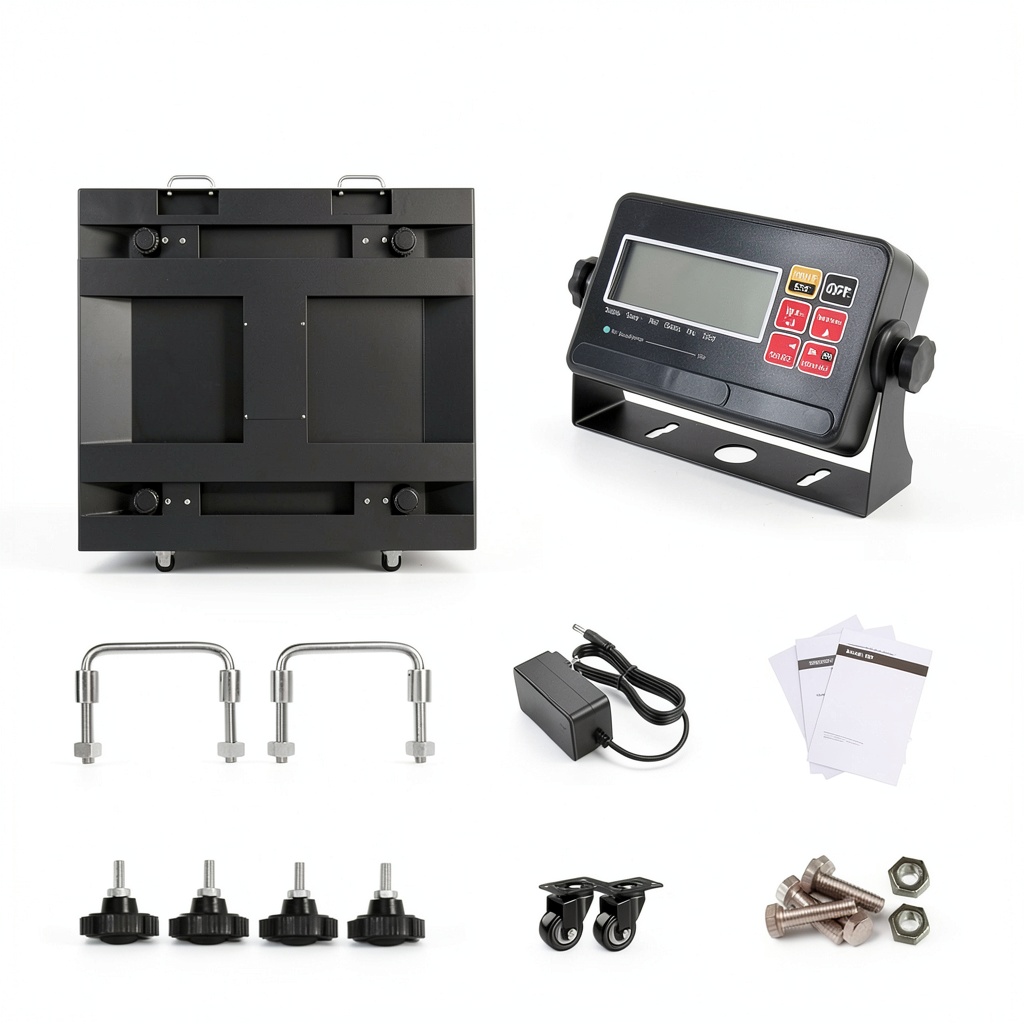
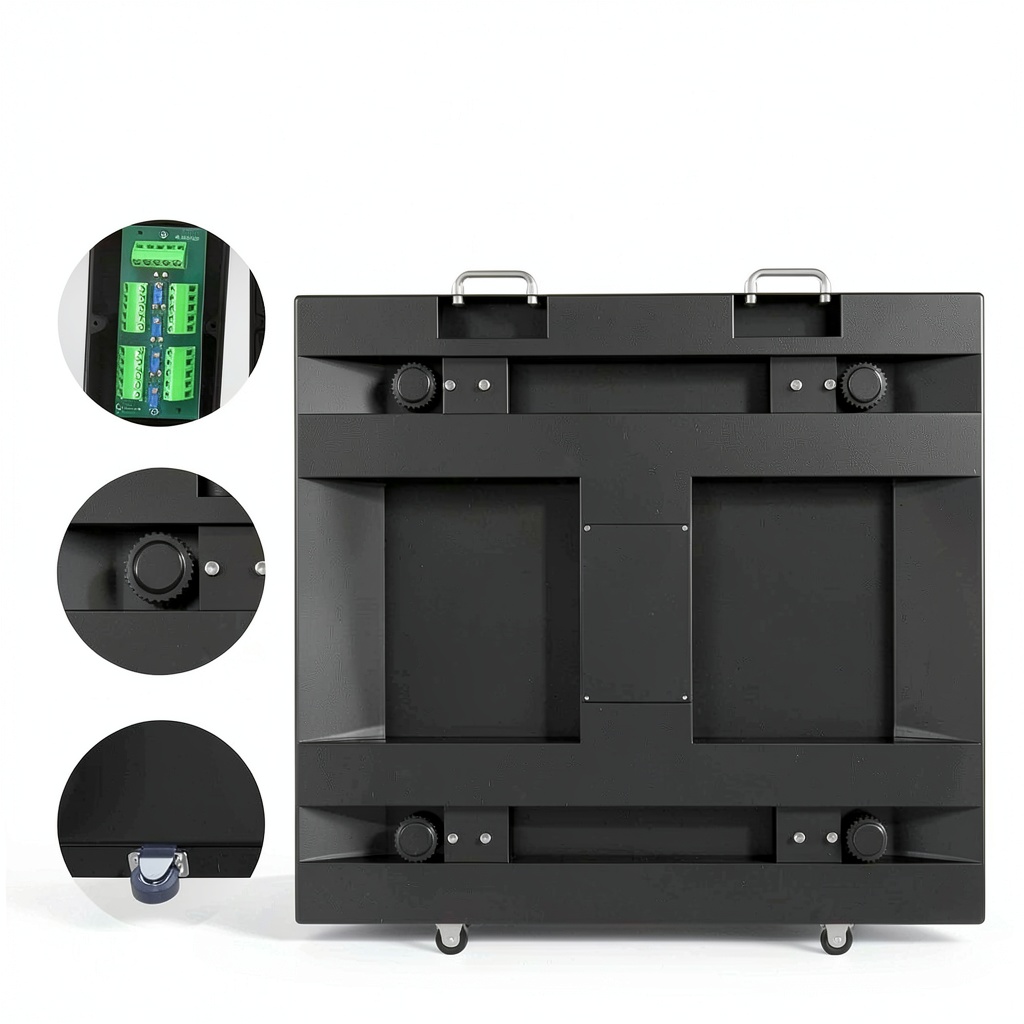
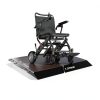
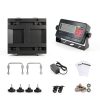
The CDWTPS Wheelchair Scale with Dual Ramp is engineered to meet the demanding needs of both home caregivers and professional medical facilities. Built around a sturdy steel channel frame, the scale supports a maximum load of 1000 lb while maintaining an impressive measurement precision of 0.2 lb. The platform measures 25 inches by 30.7 inches, providing ample space for most standard wheelchairs, mobility scooters, and even small power chairs. A reinforced 2‑mm carbon steel deck ensures the surface remains flat and resistant to dents, while the IP66‑rated junction box protects the internal electronics from water and dust, extending the device’s lifespan in busy clinical environments. The integrated LCD display, positioned on a detachable U‑shaped bracket, offers a clear 1‑inch large‑font readout that can be viewed from a distance, reducing the need for close‑up handling. Powered by a high‑capacity lithium‑ion battery, the unit delivers up to 320 hours of continuous operation, and an optional AC adapter ensures uninterrupted use during extended sessions. A built‑in data transmission cable of 2.5 meters allows seamless connection to external computers or electronic health record systems, facilitating accurate record‑keeping and trend analysis for clinicians.
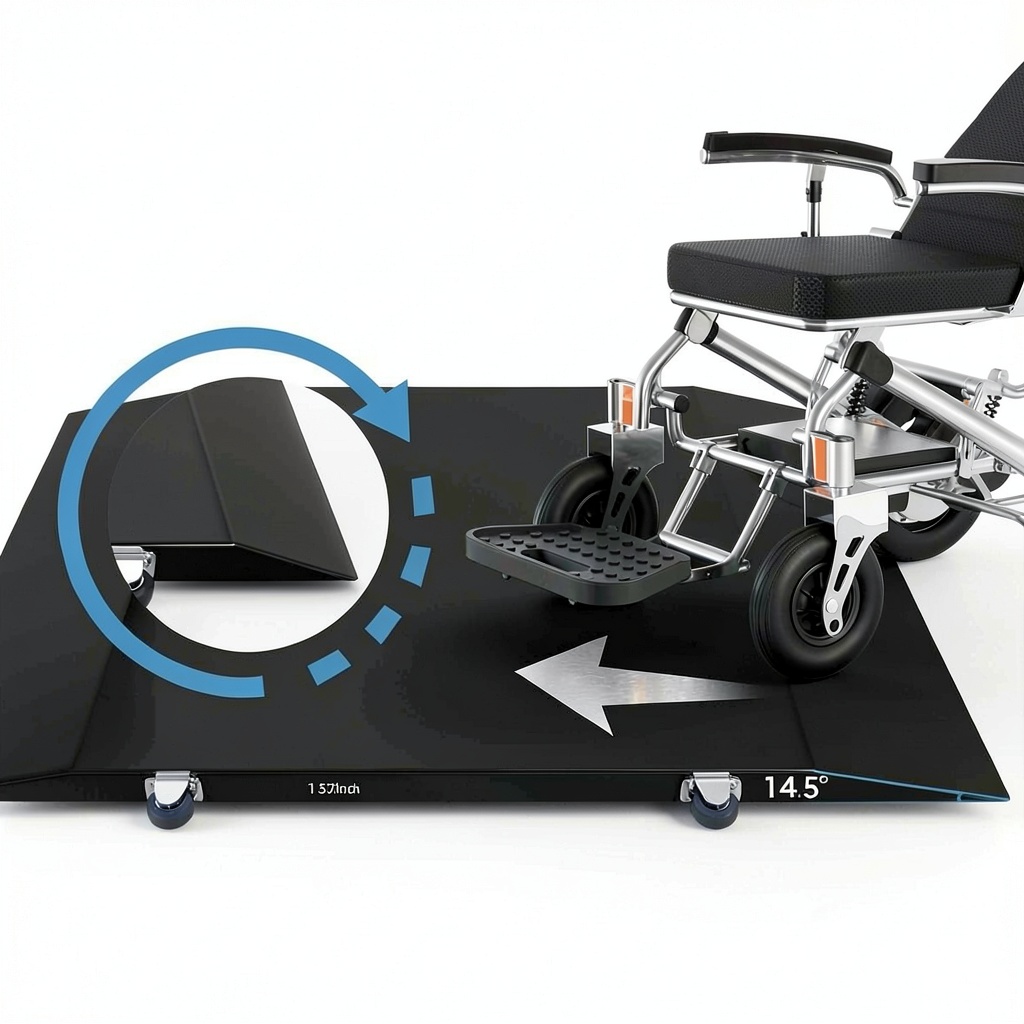
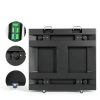
The dual‑ramp design distinguishes this scale from conventional single‑platform models, enabling smooth loading and unloading of wheelchairs without the need for manual lifting. Each ramp is constructed from lightweight aluminum alloy, offering a balance between strength and ease of transport. The ramps fold neatly against the side of the platform when not in use, reducing the overall footprint to a compact 38.5 × 36.5 × 4 inches for storage. Four leveling feet equipped with rubber pads automatically adjust to uneven flooring, guaranteeing accurate measurements on carpet, tile, or hardwood surfaces. Additionally, the scale features lockable caster wheels and ergonomic handles that allow a single caregiver to maneuver the unit across a room or down a hallway with minimal effort, making it an ideal solution for home visits, outpatient clinics, and rehabilitation centers.
Technical specifications of the CDWTPS Wheelchair Scale meet industry standards for medical weighing equipment. The device operates on a 12‑volt lithium‑ion battery rated at 3.7 Ah, delivering consistent power output throughout its long service life. Calibration is performed automatically at startup, and the scale complies with IEC 60601‑1 safety requirements, ensuring electrical isolation and patient protection. The maximum platform load of 1000 lb is verified through rigorous testing, and the sensor system provides repeatable accuracy within ±0.2 lb across the full weight range. The scale also supports data export in CSV format, enabling integration with electronic health record (EHR) platforms and facilitating remote monitoring by healthcare providers.
CDWTPS stands behind the reliability of its wheelchair scale with a comprehensive one‑year limited warranty that covers manufacturing defects and component failures. Customers receive access to a dedicated support line staffed by trained technicians who can assist with installation, troubleshooting, and routine maintenance. Replacement parts, such as battery packs and ramp assemblies, are readily available, minimizing downtime for busy medical practices. The company also offers optional extended service contracts that include annual calibration checks and priority shipping, ensuring that the scale remains accurate and operational throughout its expected lifespan.
Usage
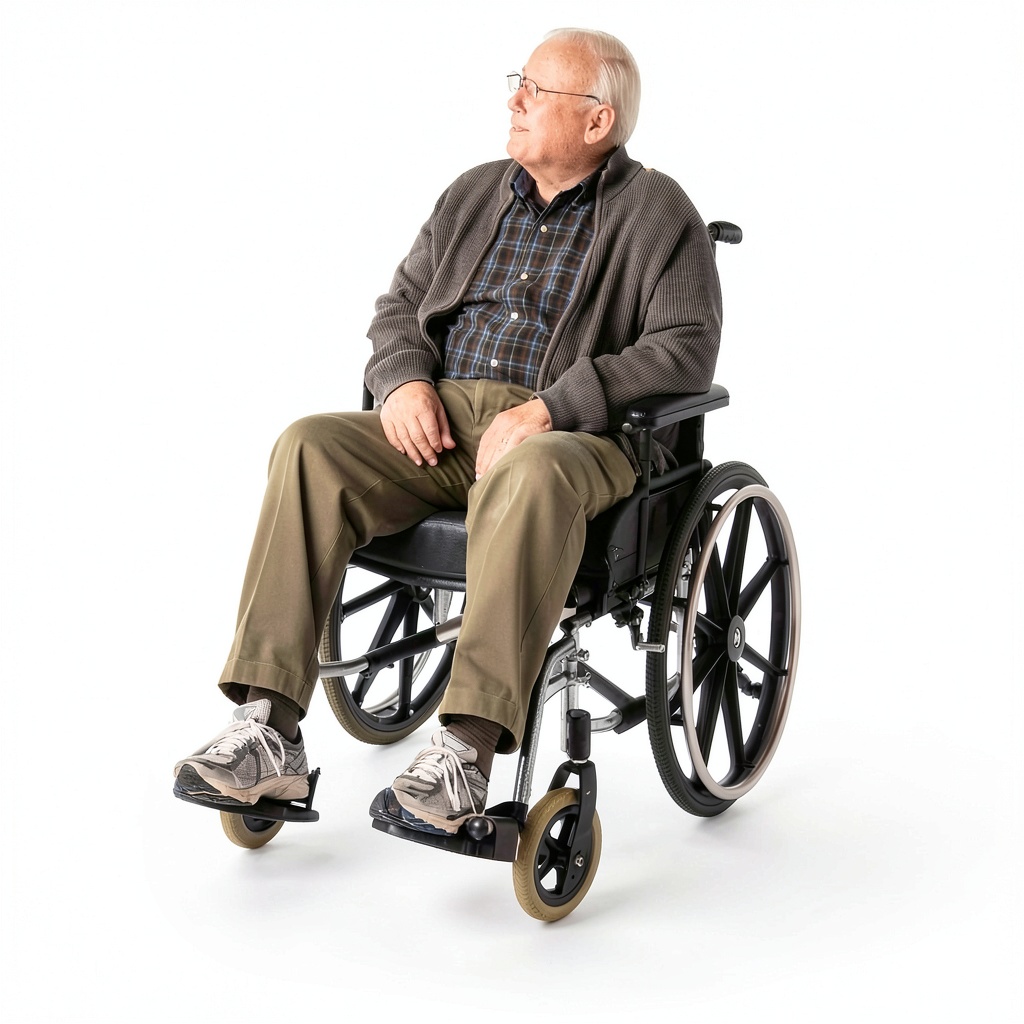
In home environments, the wheelchair scale provides caregivers with a convenient tool for tracking patient weight trends without the need to transfer the individual to a separate weighing device. The dual ramps allow the wheelchair to roll directly onto the platform, eliminating the risk of falls and reducing the physical strain on both the patient and the caregiver. This capability is especially valuable for individuals with limited mobility, spinal cord injuries, or post‑surgical recovery, where frequent weight monitoring can inform medication adjustments and nutritional planning.
In outpatient clinics and physician offices, the scale’s compact footprint and mobile design enable it to be positioned alongside examination tables or treatment chairs, providing immediate access during routine visits. The LCD readout can be viewed by both clinician and patient, fostering transparent communication about health metrics. Moreover, the scale’s data export function allows seamless integration with practice management software, reducing manual entry errors and streamlining billing processes.
For rehabilitation centers and physical therapy facilities, the robust construction of the scale withstands frequent use throughout the day, while the waterproof platform simplifies cleaning after exposure to sweat or bodily fluids. The leveling feet guarantee consistent readings on uneven gym floors, and the easy‑roll casters allow therapists to reposition the unit quickly between treatment stations. By delivering reliable weight data, the scale assists therapists in evaluating patient progress, adjusting therapy intensity, and documenting outcomes for insurance documentation.
Telehealth providers can leverage the scale’s data transmission capabilities to monitor patients remotely. By connecting the scale to a smartphone or tablet via Bluetooth, caregivers can upload weight measurements to a secure cloud portal, where clinicians can review trends and intervene promptly if significant changes are detected. This remote monitoring reduces the need for frequent in‑person visits, saving time and resources while maintaining high‑quality care for patients with chronic conditions such as heart failure or renal disease, where weight fluctuations are critical indicators.
Training staff to operate the wheelchair scale is straightforward thanks to its intuitive user interface. The LCD menu presents clear icons for weighing, calibration, and data export, and the large‑font display eliminates ambiguity even in low‑light environments. A quick‑start guide included in the package walks users through the step‑by‑step process of positioning the wheelchair, initiating a measurement, and interpreting the result. For facilities with multiple users, the system supports password‑protected access levels, ensuring that only authorized personnel can modify settings or retrieve patient data, thereby maintaining compliance with privacy regulations.
Why Choose Us
Choosing CDWTPS means selecting a partner committed to quality and innovation in medical equipment. Every component of the wheelchair scale is sourced from reputable manufacturers, and the assembly process follows strict ISO‑9001 guidelines to ensure consistency across each unit. The steel channel frame undergoes corrosion‑resistant coating, while the carbon steel platform is laser‑cut for precise dimensions, delivering a product that not only meets but exceeds industry expectations for durability.
The scale’s IP66 waterproof rating is a testament to its suitability for clinical environments where hygiene is paramount. The sealed junction box protects sensitive electronics from spills, cleaning agents, and dust, allowing staff to sanitize the device with hospital‑grade disinfectants without fear of damage. This level of protection reduces maintenance costs and prolongs the operational life of the scale, delivering long‑term value to healthcare providers.
Customer support is an integral part of CDWTPS’s service philosophy. Upon purchase, owners receive a detailed user manual, quick‑start guide, and access to an online portal containing video tutorials and troubleshooting FAQs. The support team is available 24 hours a day, seven days a week, to address any technical questions, arrange parts replacement, or provide on‑site assistance if required. This comprehensive after‑sales service ensures that the scale remains a reliable asset throughout its lifecycle.
CDWTPS is committed to environmental responsibility, employing recyclable materials wherever possible and minimizing packaging waste. The scale’s steel frame is sourced from suppliers that adhere to sustainable manufacturing practices, and the battery is designed for safe disposal and recycling in accordance with international standards. By choosing this product, healthcare providers contribute to greener operations while still receiving a high‑performance medical device.
The wheelchair scale holds certifications that underscore its quality and safety, including CE marking, ISO 9001 manufacturing compliance, and FDA 510(k) clearance for medical devices sold in the United States. These recognitions assure buyers that the product meets rigorous testing protocols and adheres to global regulatory standards. CDWTPS also offers worldwide distribution, with localized support teams in major regions to provide prompt assistance and parts availability.
Key Features
- High load capacity of 1000 lb with 0.2 lb accuracy, ensuring reliable measurements for a wide range of patients and equipment.
- Dual aluminum ramps fold for easy storage and allow smooth wheelchair loading without manual lifting, enhancing safety for both patients and caregivers.
- Sturdy steel channel frame with IP66‑rated waterproof platform and sealed junction box protects against spills, dust, and corrosion for long‑term durability.
- Large 1‑inch LCD display with high‑contrast large‑font readout, detachable U‑shaped bracket, and 320‑hour battery life for clear visibility in any lighting condition.
- Comprehensive after‑sales support including a one‑year warranty, 24/7 technical assistance, readily available replacement parts, and optional extended service contracts for ongoing reliability.
FAQ
Can the scale be used with power wheelchairs that have larger footprints?
Yes, the platform measures 25 inches by 30.7 inches, which accommodates most standard manual and powered wheelchairs, as well as small scooters. For larger power chairs, the dual ramps can be positioned to guide the wheels onto the scale gradually, and the leveling feet ensure the platform remains level even if the floor is uneven. If a wheelchair exceeds the platform dimensions, the user can place the chair on the ramps and weigh the patient while seated, following the manufacturer’s guidelines for safe loading.
How often does the scale need calibration, and can it be done by the user?
The scale is calibrated automatically at power‑on, but for clinical accuracy it is recommended to perform a manual calibration monthly using the built‑in calibration weight. The procedure is simple: turn the device on, select the calibration mode from the menu, place the calibration weight on the platform, and wait for the reading to stabilize. No special tools are required, and the process can be completed by trained staff in a few minutes. Regular calibration helps maintain the ±0.2 lb accuracy across the full weight range.
What is the procedure for cleaning the platform after exposure to bodily fluids?
Cleaning the platform is straightforward thanks to its IP66‑rated waterproof construction. After each use, wipe the surface with a soft, lint‑free cloth dampened with a mild disinfectant solution approved for medical equipment. Avoid abrasive cleaners or submerging the platform in water, as this could damage the sensor connections. For stubborn residues, let the disinfectant sit for a few seconds before wiping, then dry the area with a clean cloth. The sealed junction box ensures that internal electronics remain protected during the cleaning process.

Reviews
There are no reviews yet.